
Separate good from memorable
A 7 covers a film you admired, a film you enjoyed and forgot, and a film you argued about for a week. Emoji tell those apart.
A 7 covers a film you admired, a film you enjoyed and forgot, and a film you argued about for a week. Emoji tell those apart.
Episodes are full pages here, so a single episode can carry its own reactions instead of borrowing the season's.
Leave a public signal when picking a number out of 10 is more commitment than the moment deserves.
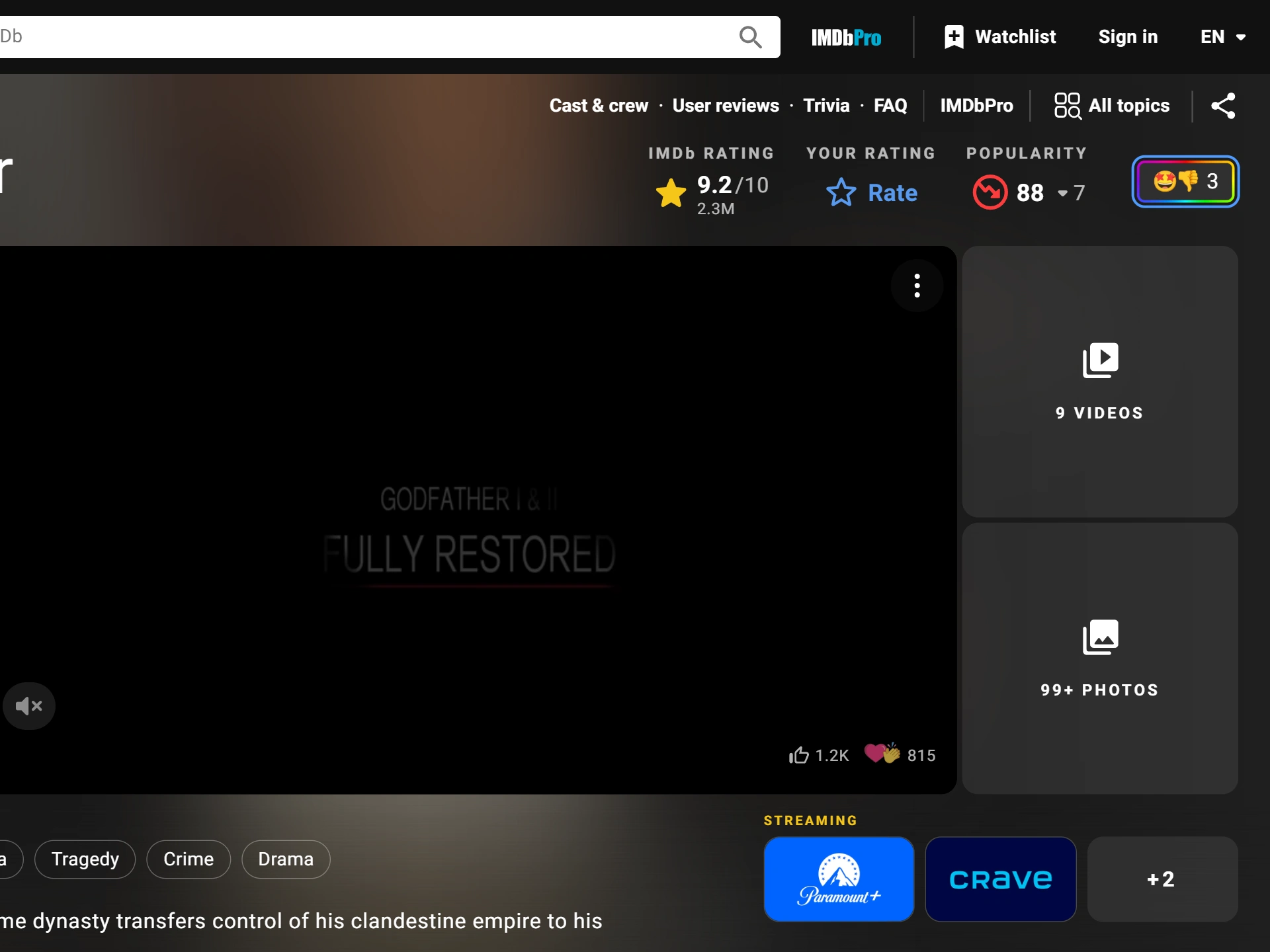
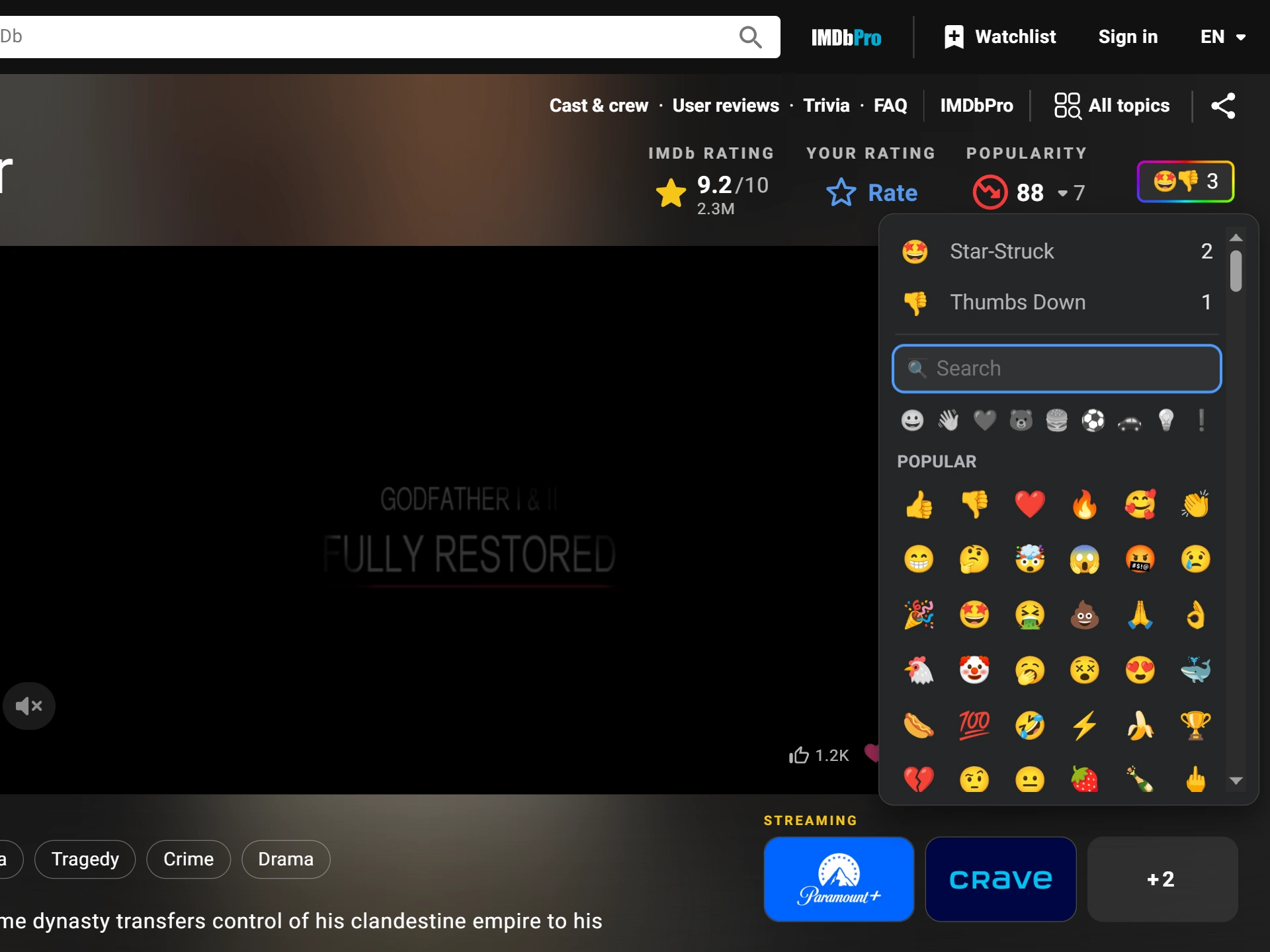
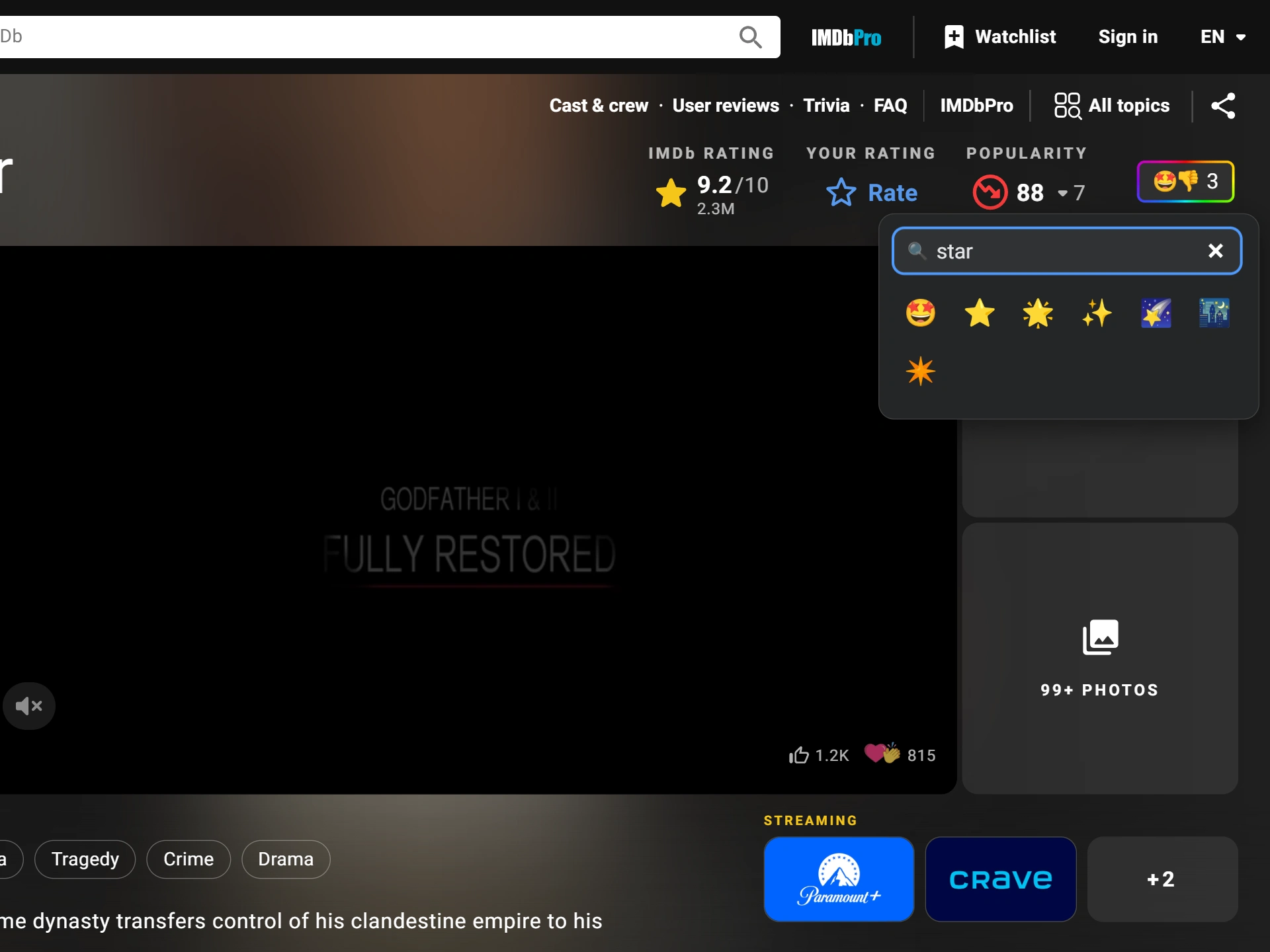
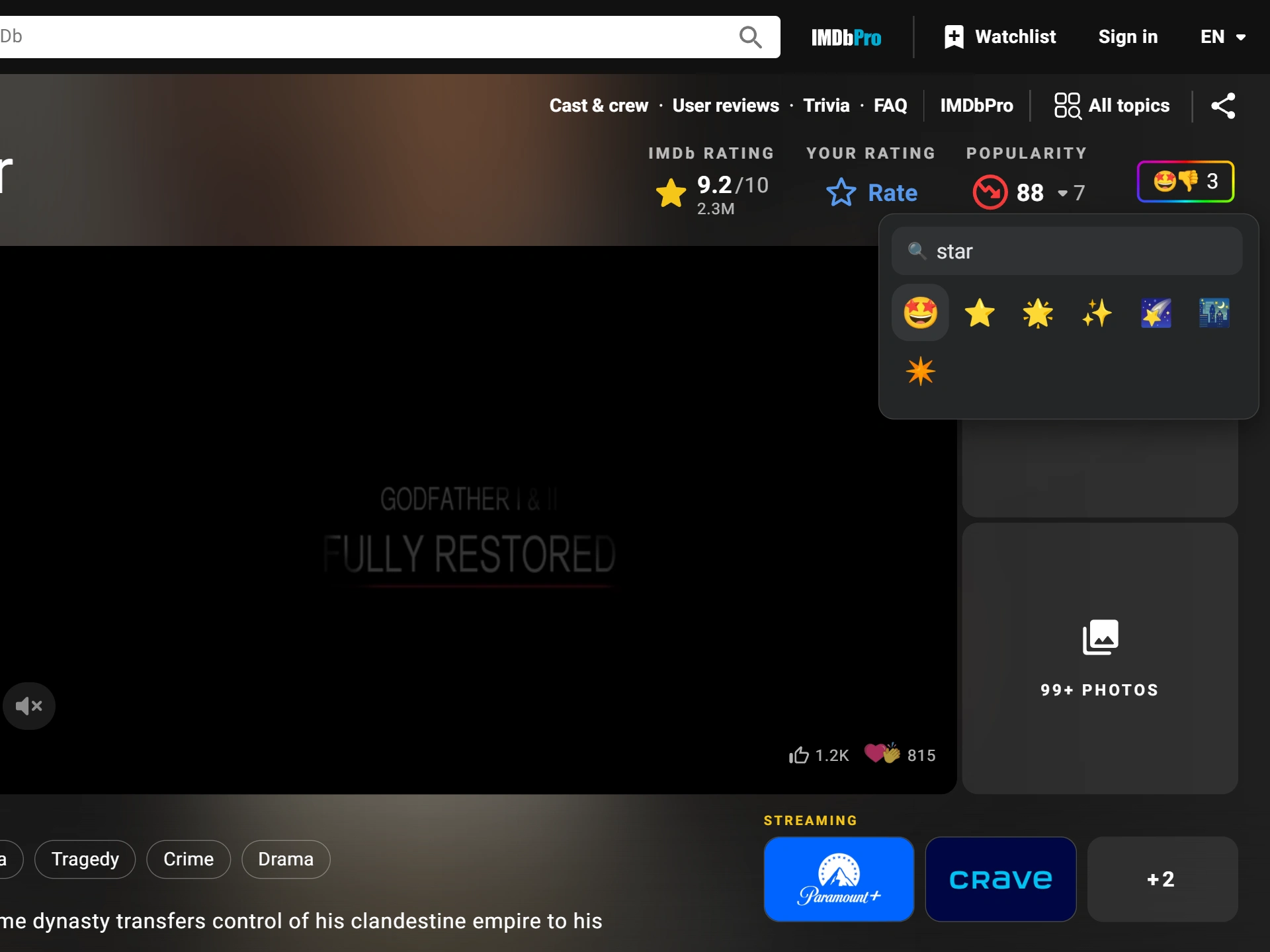
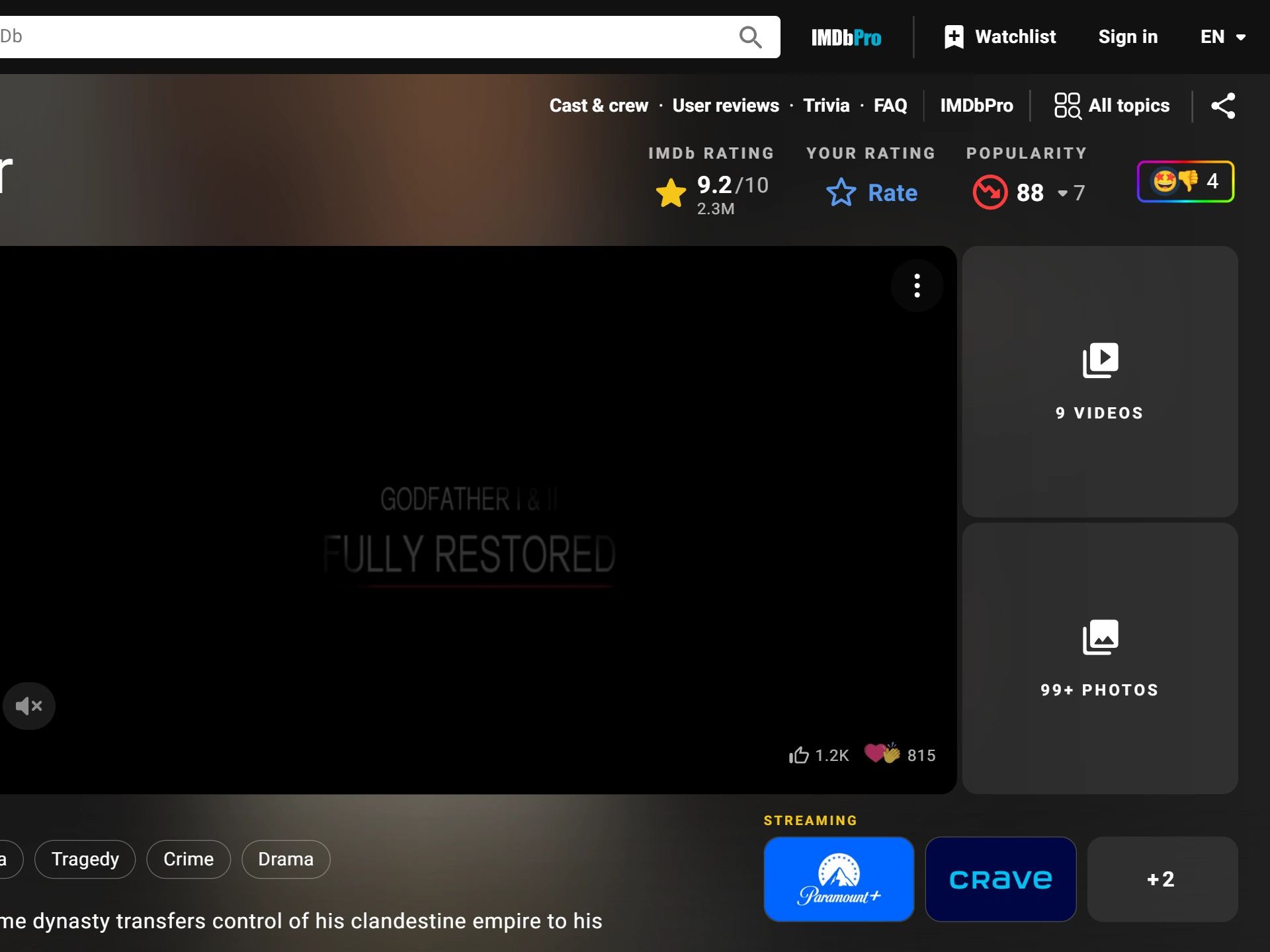
An average of 7.4 is built from people who thought the film was beautiful, people who thought it was long, people who came for one performance, and people who were arguing with the rest. The average is the same whichever mix produced it.
Emojery gives that mix somewhere to show. The reaction strip is drawn from the same emoji palette as every other supported site, so the vocabulary does not change when the page does.
Emojery does not compute a score, re-rank titles, weight votes, or touch the rating you see. It adds a separate reaction layer in your browser, at the end of the bar the site already shows.
IMDb keeps films, series, and individual episodes in 1 namespace: each has a title id, and the target is that id. So an episode gathers its own reactions, a series gathers its own, and neither folds into the other.
Season listings, cast pages, and review pages carry no rating bar, so they carry no button.
The star beside the rating is a 1-to-10 score rather than a reaction, and the watchlist is a list. Emojery stands in for neither, so it only adds: the opt-in Auto-press original buttons setting stays inactive here, and Hide original buttons has nothing to hide.
A title's totals are readable by anyone, with no IMDb or Emojery login. Adding to them takes a provider sign-in, so the strip counts people rather than anonymous installs.
The interesting titles are the ones where a high average sits under a strip full of thinking faces, or where a middling average sits under hearts. That gap is the thing a single number cannot report.
The reaction layer belongs to neither the site nor its voters. It uses Emojery's own interface and counting model, the same one running on repositories, videos, and social posts.
Emojery never sees your IMDb account, ratings, or watchlist: it asks for the counts of the titles on screen by their public title ids and stores none of that, and a reaction is keyed only to the title, never to your session. The public output is the aggregate emoji count for that title: no list of who reacted, and nothing tied back to a viewer.
Read the full privacy policy.
Install Emojery, open an IMDb film, series, or episode page, and read the emoji layer beside the rating.
No. It does not edit the rating, the votes, or the reviews. It adds a separate reaction layer in your browser.
Title pages: films, series, and individual episodes, each with its own reaction total. Season listings, cast pages, and review pages have no rating bar and no button.
No. Nobody gets a list of who reacted — the public layer is the aggregate count for the title.
The same emoji reaction layer — one account, across every supported site.